
Energy upgrading of existing buildings often presents a practical problem: the external façade cannot always be insulated because of architectural restrictions, condominium rules or boundary-distance constraints. In these cases, an effective solution is an insulating internal lining wall. TecnoCanapa Bioedilizia® uses Biomattone® as a lining-wall system that combines high thermal performance with full vapour permeability.
What is an insulating lining wall and when is it used?
An insulating lining wall is an additional internal or external lining applied to existing masonry to improve its thermal performance. It is typically used in energy-efficiency upgrades to existing buildings when external insulation cannot be installed. Biomattone® is used specifically for this purpose, as an insulating lining anchored to the original substrate.
The Biomattone® system: anchoring and lining-wall performance
The Biomattone® lining wall is anchored to the existing substrate using L-shaped brackets, fixed with anchors or nails according to the characteristics of the existing masonry. The work therefore does not require demolition of the original wall. The block has a density of 310 kg/m³ and a thermal conductivity of 0.044 W/mK, values that make it possible to achieve low final U-values even with limited additional thickness. According to ENEA data on energy efficiency in buildings, insulating the building envelope remains the most effective measure for reducing energy consumption in existing buildings.
Combination with Bio Beton® for uneven substrates
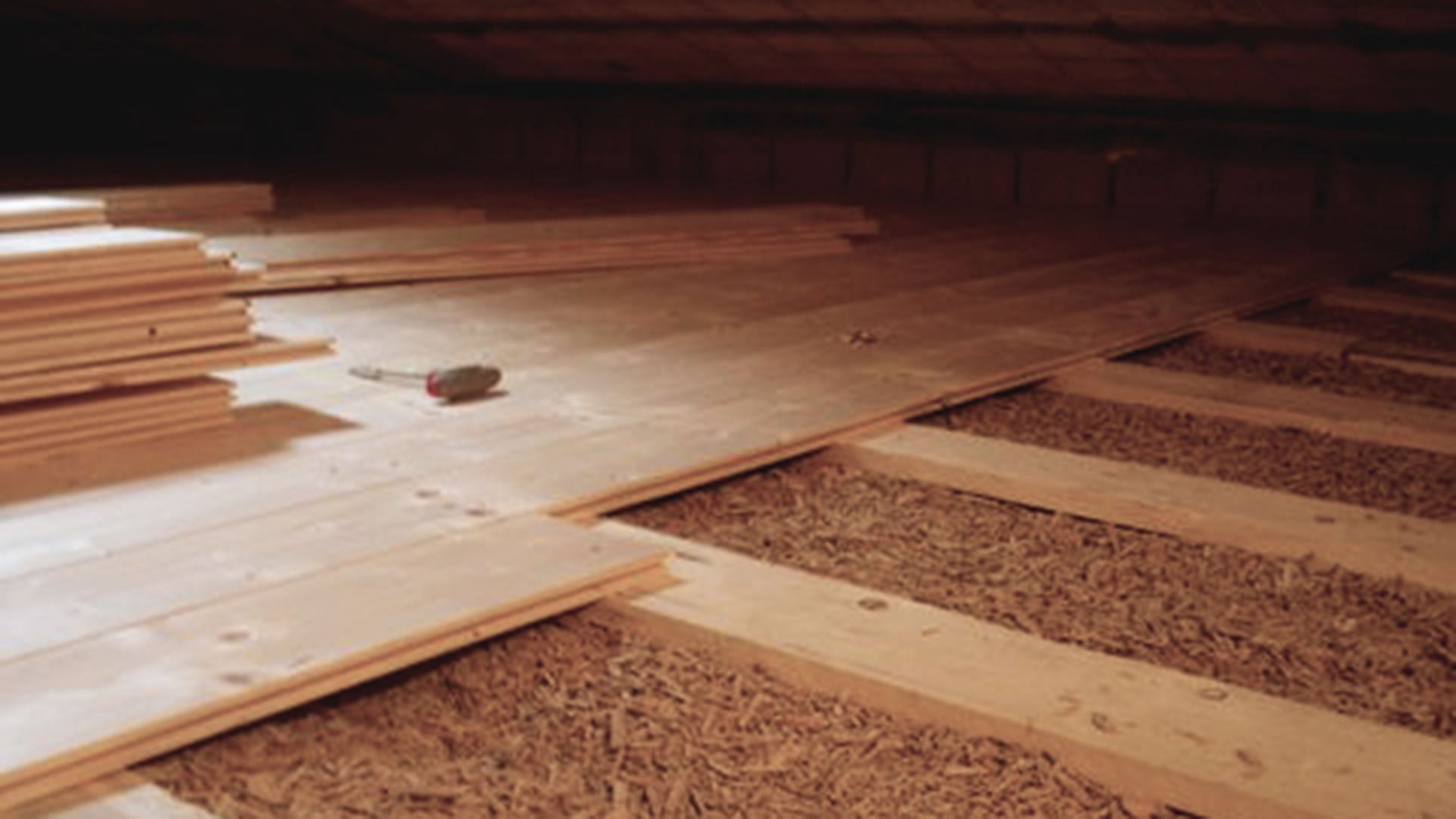
Where the existing substrate is geometrically uneven, the Biomattone® lining wall can be combined with a cavity filled with Bio Beton®, a mass insulating material consisting of Coarse Hemp Shiv, Natural Dolomitic Binder and Probiotic Additive. The cavity is insulated continuously while the finished surface remains even. This configuration, documented in the project on the island of Torcello in Venice, combines insulation and thermal inertia in a single system.
Combination with Canafiber Intercapedine where reduced thickness is required
Alternatively, the Biomattone® lining wall can be combined with a cavity insulated using Canafiber Intercapedine hemp-fibre panels, with a thermal conductivity of 0.048 W/mK. Thanks to this lower conductivity, the combination makes it possible to reduce lining-wall thickness for the same insulating capacity. The choice between the two solutions depends on the condition of the existing substrate and the space available on site.
Gypsum-fibre board with Bio Beton® or Canafiber Intercapedine
For interior spaces requiring thermal and acoustic insulation with reduced thickness, TecnoCanapa Bioedilizia® also offers a cavity insulated with Bio Beton® Pronto or Canafiber Intercapedine and closed with gypsum-fibre boards. This solution also supports the vapour permeability of the envelope, allowing the wall to continue managing indoor water vapour.
Frequently asked questions about insulating lining walls
When is it better to choose an internal lining wall instead of external insulation?
When the external façade cannot be insulated because of architectural, historic or boundary-distance constraints, an internal Biomattone® lining wall can still improve the building’s thermal performance.
Does a Biomattone® lining wall reduce usable living space?
Yes, to some extent, because it takes up thickness inside the room. Combining it with Canafiber Intercapedine can, however, limit the overall thickness for the same insulating performance.
Does the insulating lining wall preserve the vapour permeability of the original wall?
Yes. The Biomattone® system and solutions with Bio Beton® or Canafiber Intercapedine are designed to support the vapour permeability of the existing envelope, helping to avoid interstitial condensation.
To learn more about the technical performance of Biomattone® and energy-efficiency solutions for existing buildings, consult the technical data sheets or contact the TecnoCanapa Bioedilizia® team for a project assessment.